Winter preparation and biohazard risk
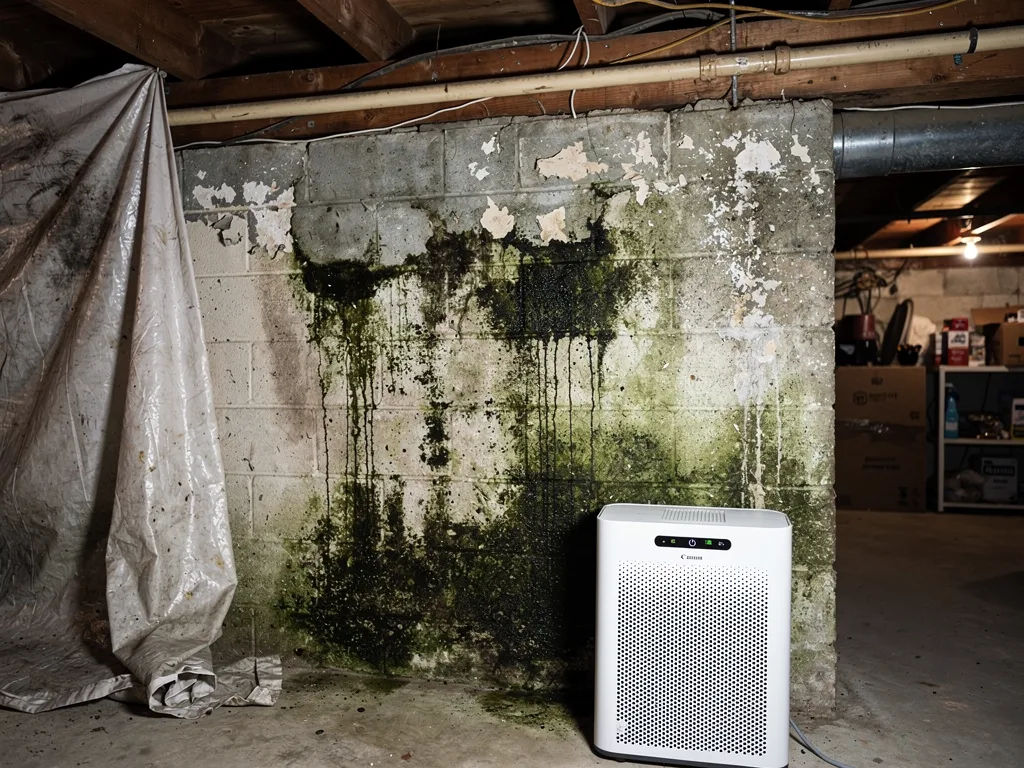
Cold weather can lead to indoor dampness and condensation, which if not properly managed, creates an environment where mold and other residues thrive. In West Virginia, protect your home by ensuring proper ventilation in moisture-prone rooms, addressing any leaks promptly, and keeping humidity in check. Our crews in every West Virginia metro routinely check for hidden moisture that can hide behind walls or under flooring during winter months.
Inspect heaters and fuel-burning appliances to prevent backdrafts or improper venting, which can raise indoor air contaminants. If you notice a musty smell or damp patches after the heating season begins, contact a biohazard remediation technician to evaluate the space before the issue worsens.
Spring cleanup and fresh air
Spring brings more outdoor activity and potential exposure to summer-related hazards. Start with a thorough inspection after the last freeze. Look for signs of water intrusion around foundations, basements, and crawl spaces. Any damp areas should be addressed, and if you smell unusual odors or see staining, call a professional for an assessment. West Virginia Biohazard Cleanup operates statewide and can coordinate assessments in multiple rooms or zones as needed.
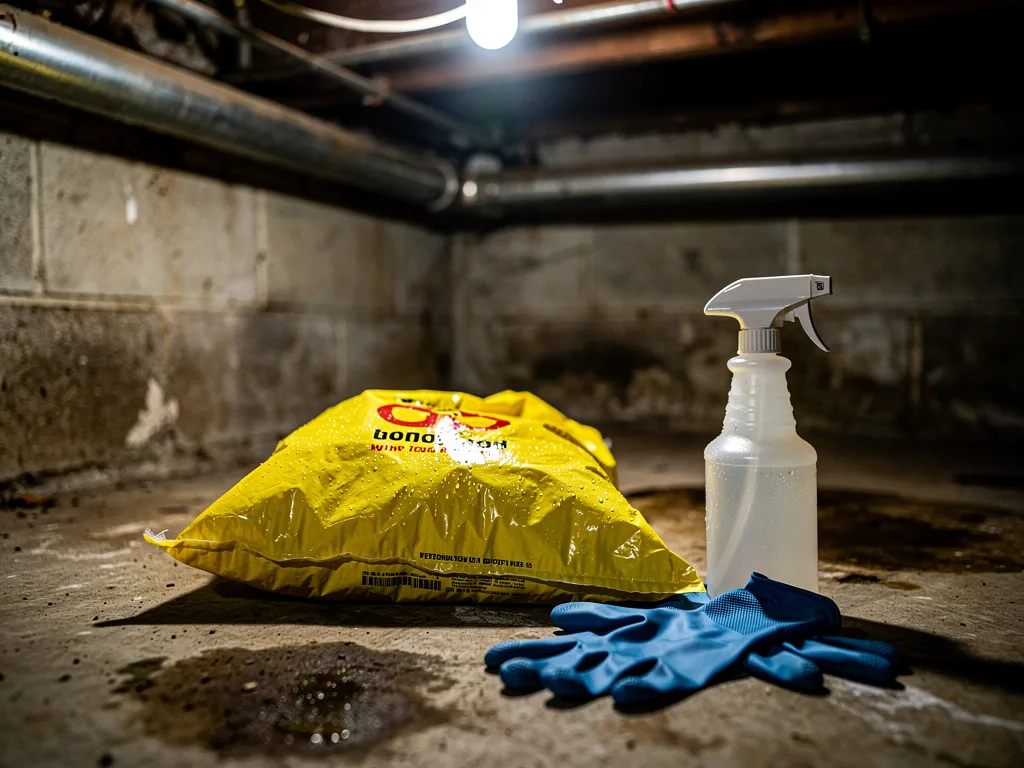
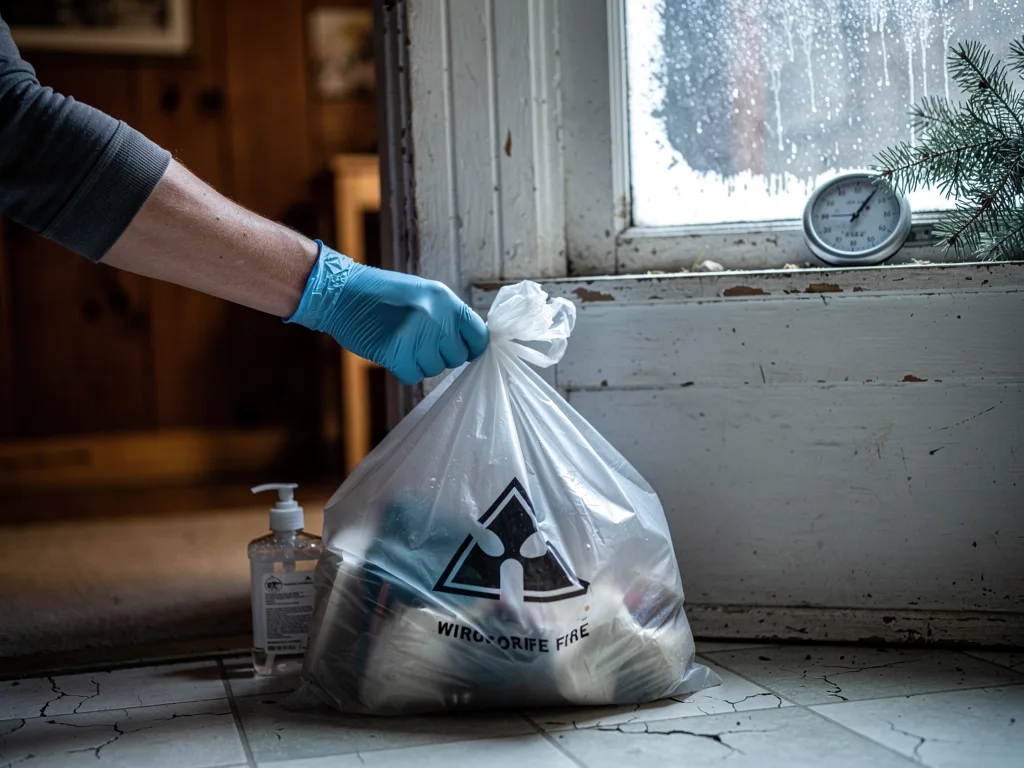
When cleaning, keep organic debris away from living spaces and avoid disturbing unknown substances. Our biohazard remediation technicians will advise on containment measures and safe cleaning protocols that protect your home and your health.
Summer and safety considerations
Outdoor heat and humidity can drive mold growth inside if moisture enters through leaks or poor sealing. Inspect roofs, gutters, and window seals before peak season. If you observe persistent odors or surface discoloration in areas prone to humidity, schedule a professional assessment. We bring a statewide, steady presence to West Virginia homes and tailor our approach to your home’s construction and climate realities.
Fall reminders and prep for the next winter: check for signs of moisture intrusion after storms, clean air intakes if accessible, and ensure HVAC systems are serviced by qualified professionals. A proactive check can prevent larger issues later and keep your home safe throughout the seasons.
Practical steps you can take this season
Maintain clear access to problem areas, fix leaks promptly, and document any signs of contamination. If odors persist or you’re unsure about the severity, call a biohazard remediation technician for an evaluation. West Virginia Biohazard Cleanup covers the state with a dependable, statewide approach and clear guidance for homeowners across all seasons.